Shoreline Stabilization Refresh
An existing shoreline stabilization treatment renewed and reinforced, restoring erosion protection as conditions on the water shifted over time.
Shoreline Stabilization Refresh is a residential project completed under LLCD's Shoreline Stabilization service line. As with LLCD's other "refresh" projects, the name signals renewal work: revisiting and restoring an existing stabilization treatment rather than tackling a previously untouched bank. Shoreline stabilization is rarely a one-and-done job in Eastern North Carolina — ongoing hydrological pressure means even a bank that was stabilized years earlier can need attention again.
Wave action, boat wake, seasonal water-level fluctuation, and heavy rainfall all accelerate bank erosion on the region's lakes and river systems, including waterways like the Neuse River and Contentnea Creek. Left unaddressed, erosion threatens foundations, exposes utilities and septic systems, and damages the surrounding ecosystem. A stabilization treatment that has been in place for years can lose effectiveness as conditions shift, which is when a refresh becomes worthwhile rather than optional.
LLCD's approach to stabilization is site-specific rather than one-size-fits-all: riprap for cost-effective, natural-looking protection on lower-stress sites, bioengineering with native wetland vegetation for banks that suit a softer approach, engineered bulkheads or seawalls for high-stress locations, or a hybrid of these depending on slope, water depth, flow, and soil type. Refreshing an existing installation typically means assessing what is still working, what has shifted or failed, and reinforcing or replacing accordingly.
Shoreline work also has to account for regulatory requirements — stabilization is a regulated activity in North Carolina, and LLCD manages the permitting rather than leaving homeowners to navigate it alone — along with site access and the practical realities of working right at the waterline, where water depth and flow conditions shape what equipment and methods make sense.
Left unchecked, erosion doesn't stay contained to the bank itself: it can undermine foundations, expose buried utilities, and steadily shrink the property's usable ground. Catching a failing treatment early, or renewing one before it fails outright, is a smaller job than rebuilding a bank from scratch, which is the case for a refresh project like this one.
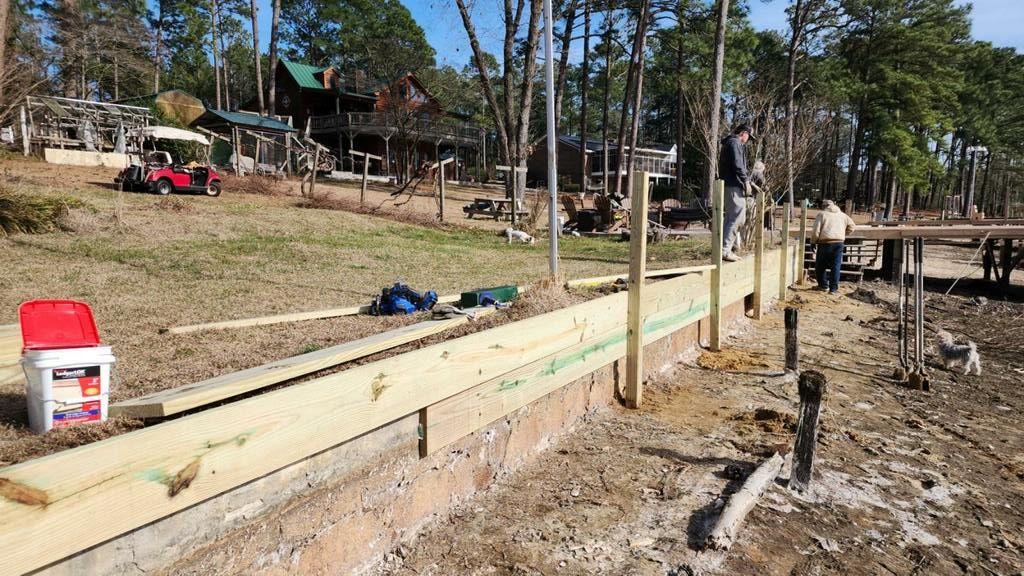
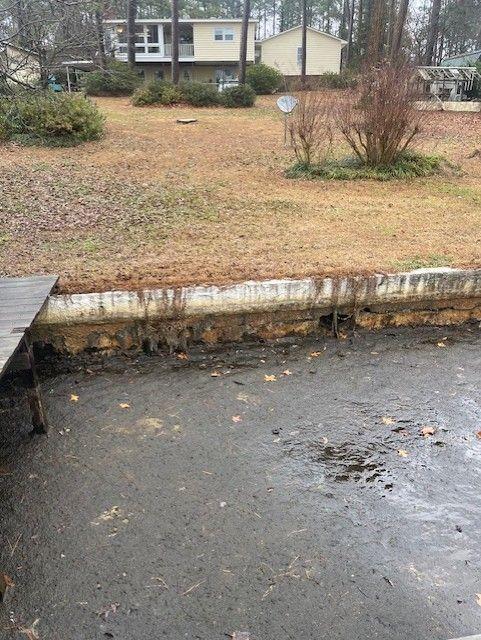
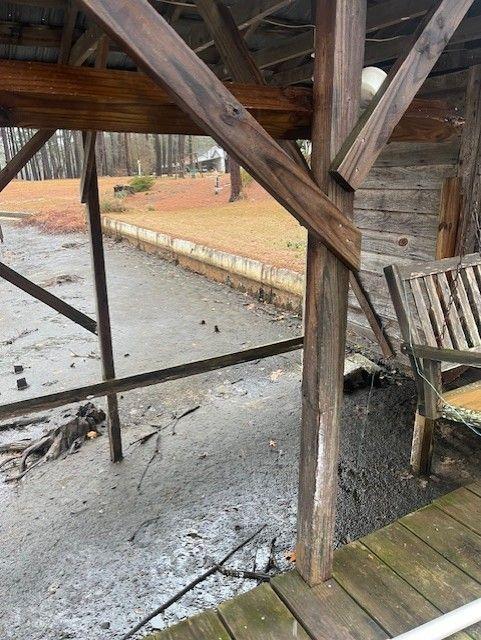
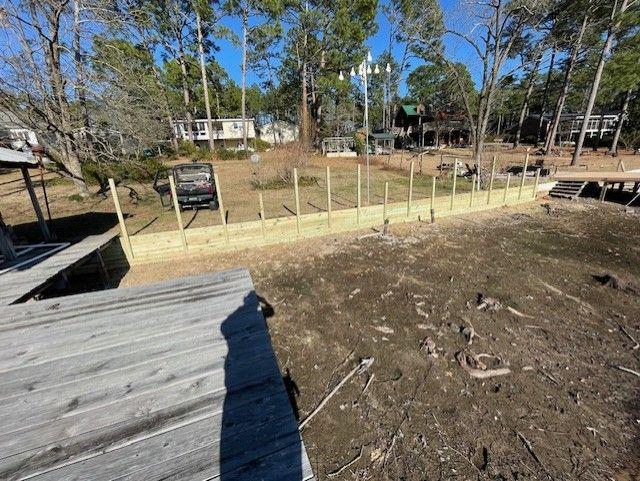
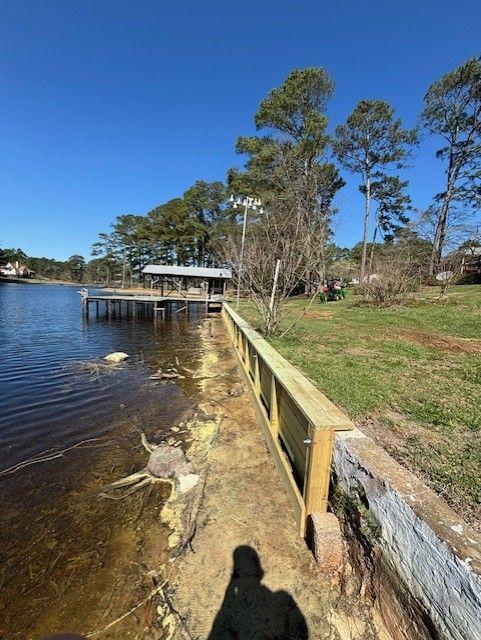
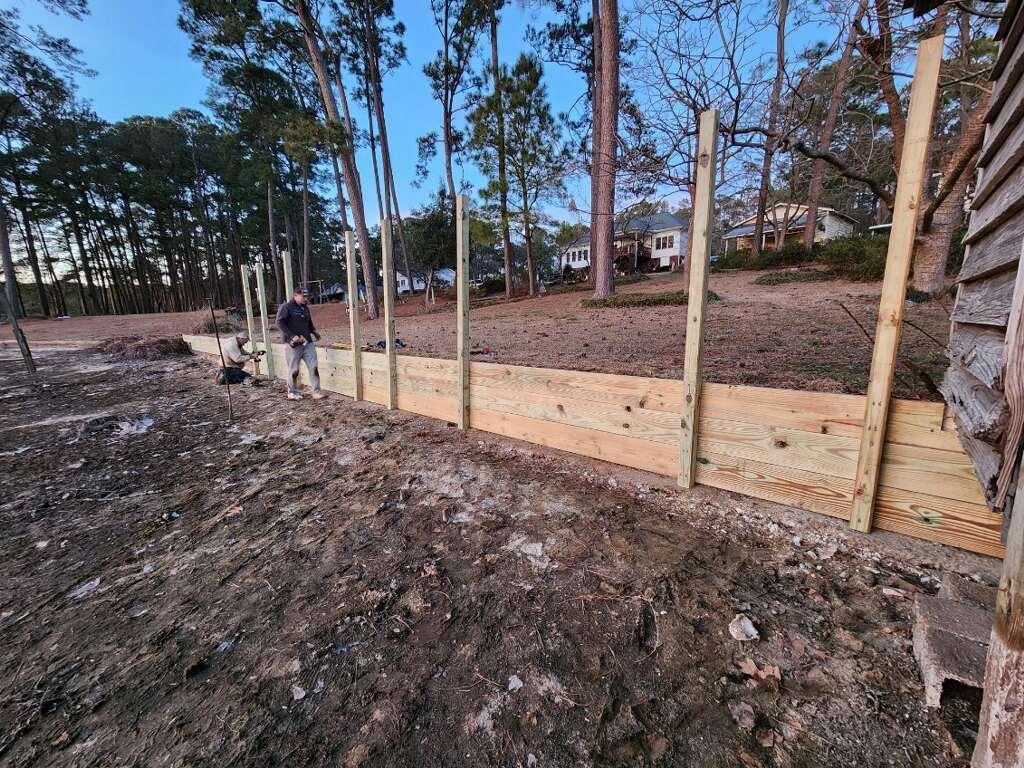
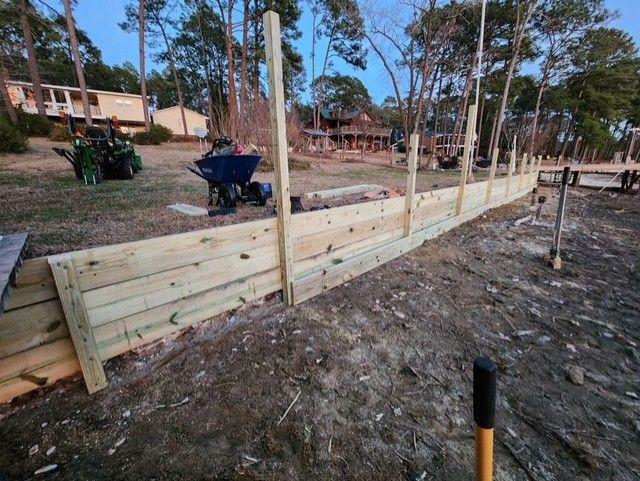
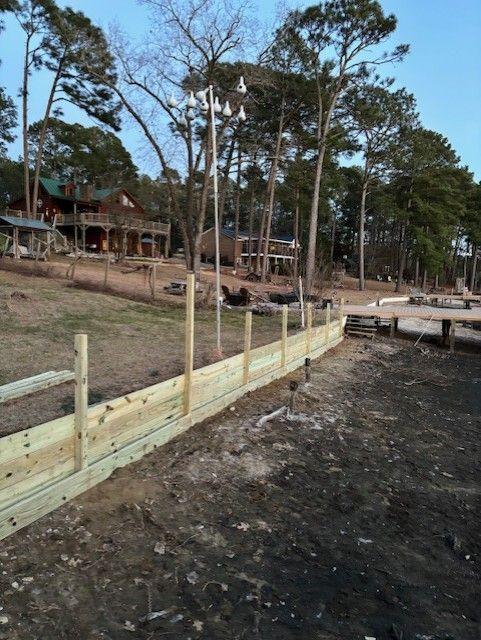
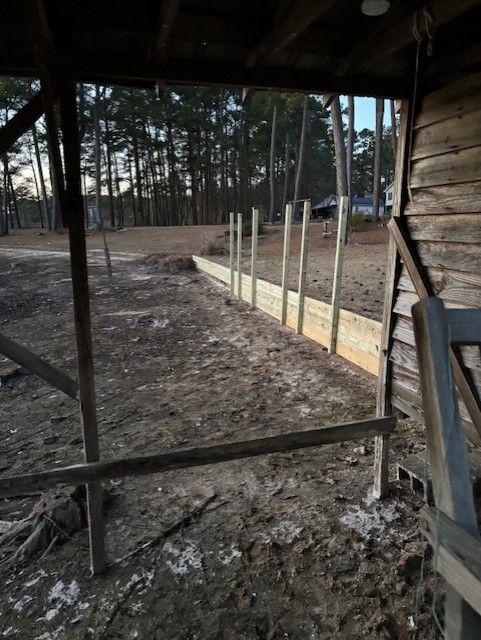
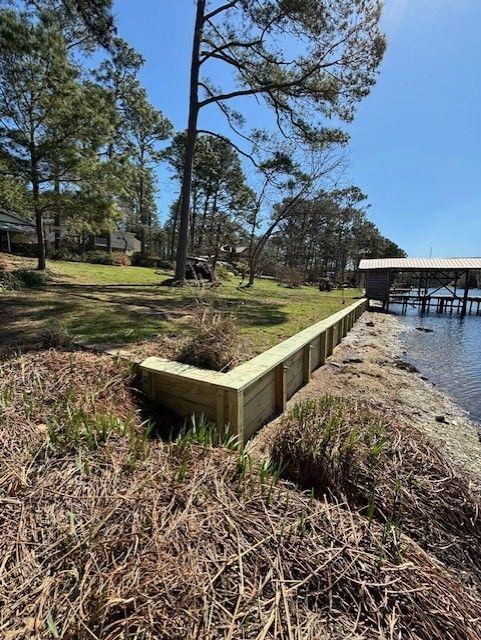
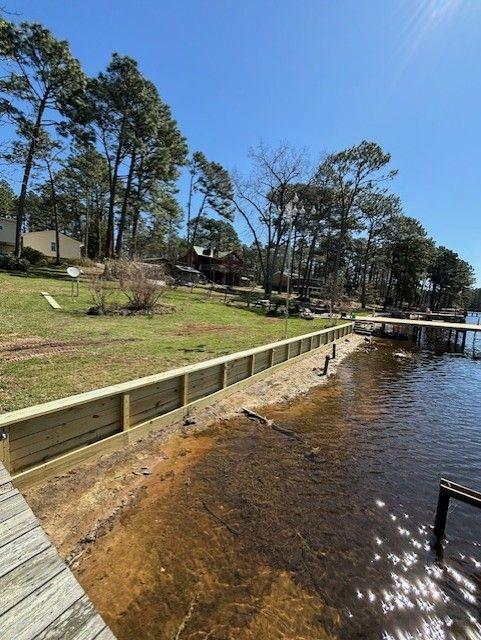
The gallery below documents the site before and after LLCD's work. The result is a shoreline that holds its ground again, protecting the property behind it, the ecosystem along the bank, and the investment the original stabilization represented.
Specs
- Project type
- Residential
- Service
- Shoreline Stabilization
Before & after
 BeforeAfter
Gallery